


Advanced Materials Science
Rethinking Disposable PPE at the Material Level
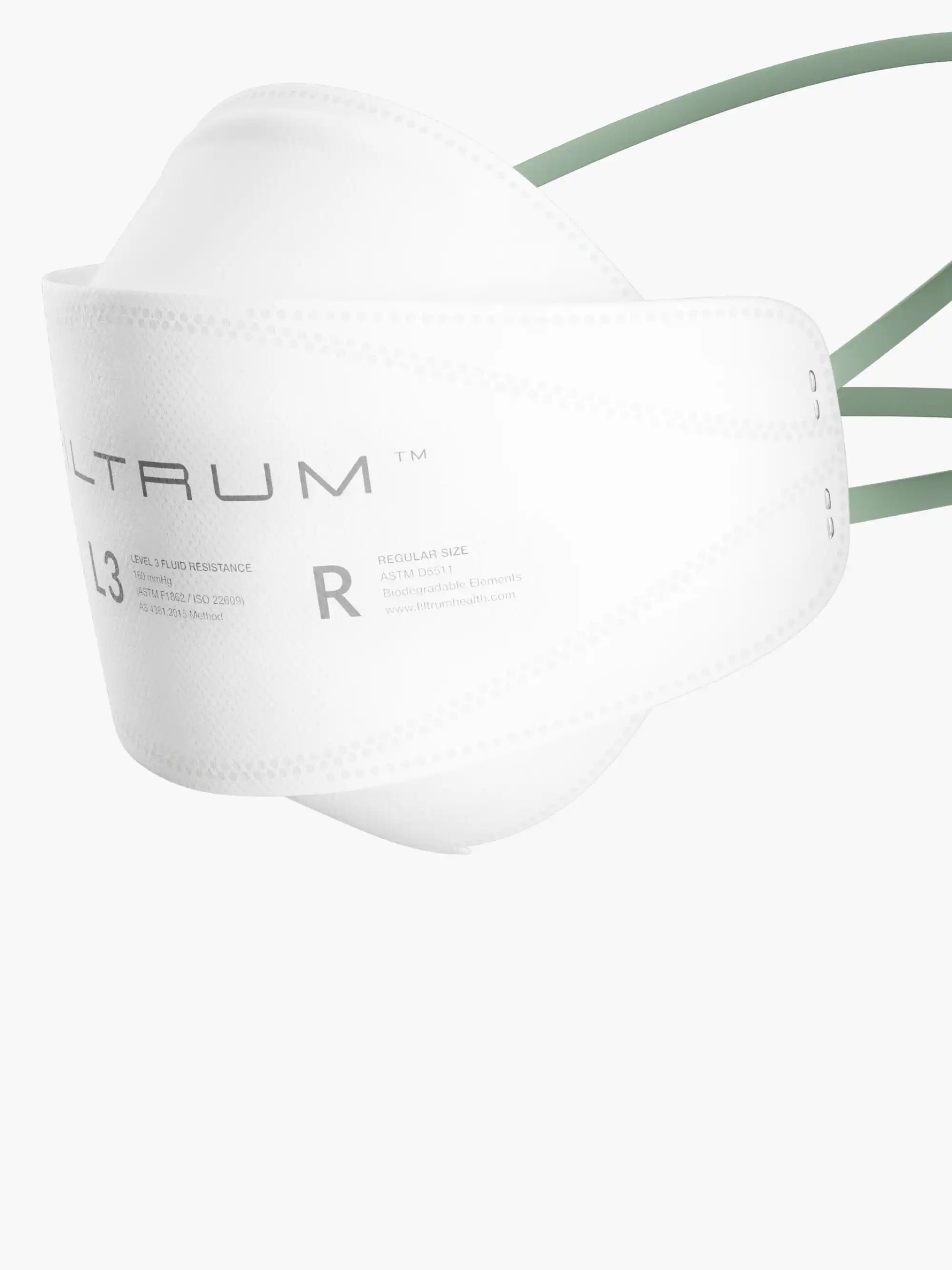
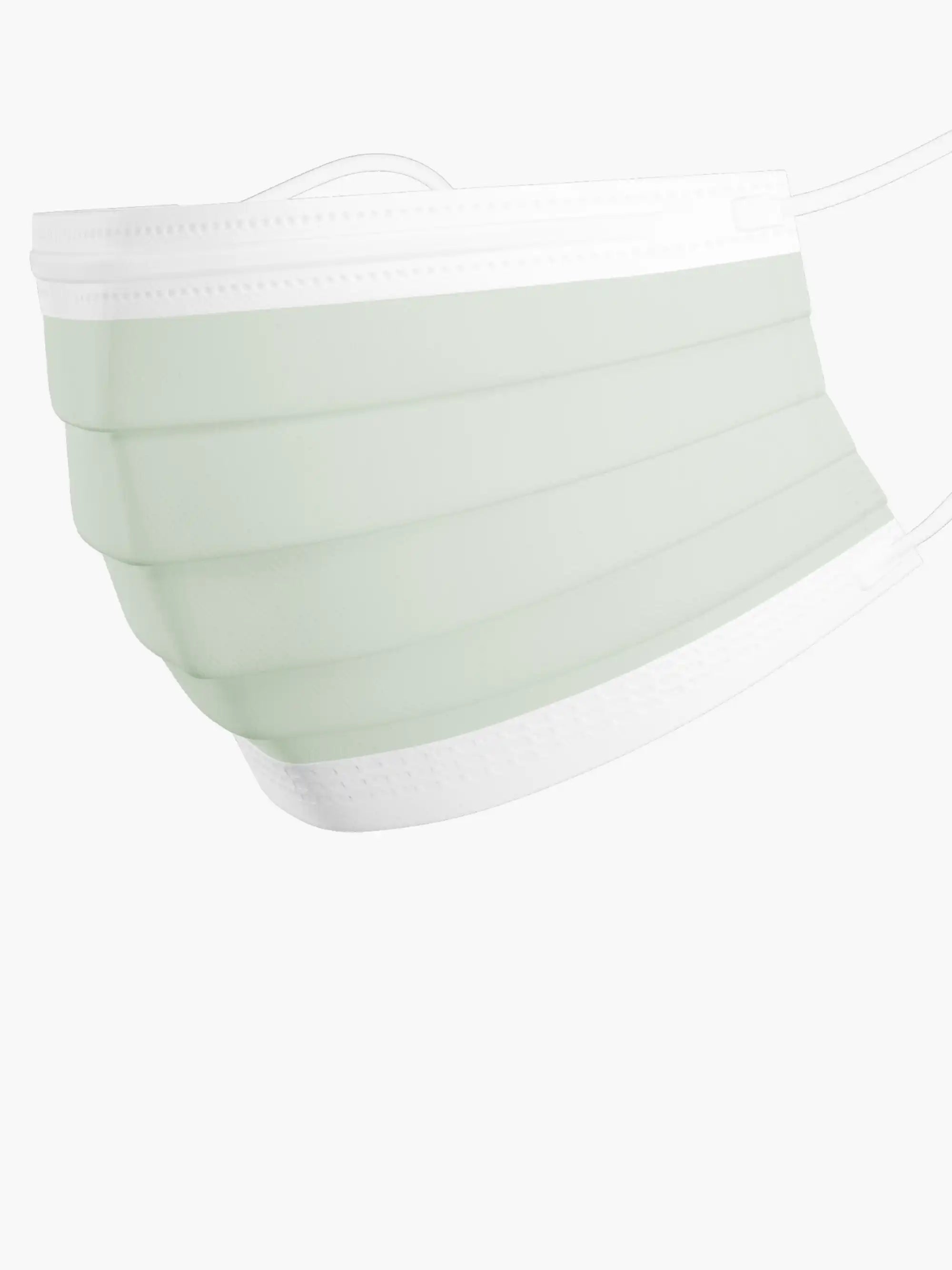
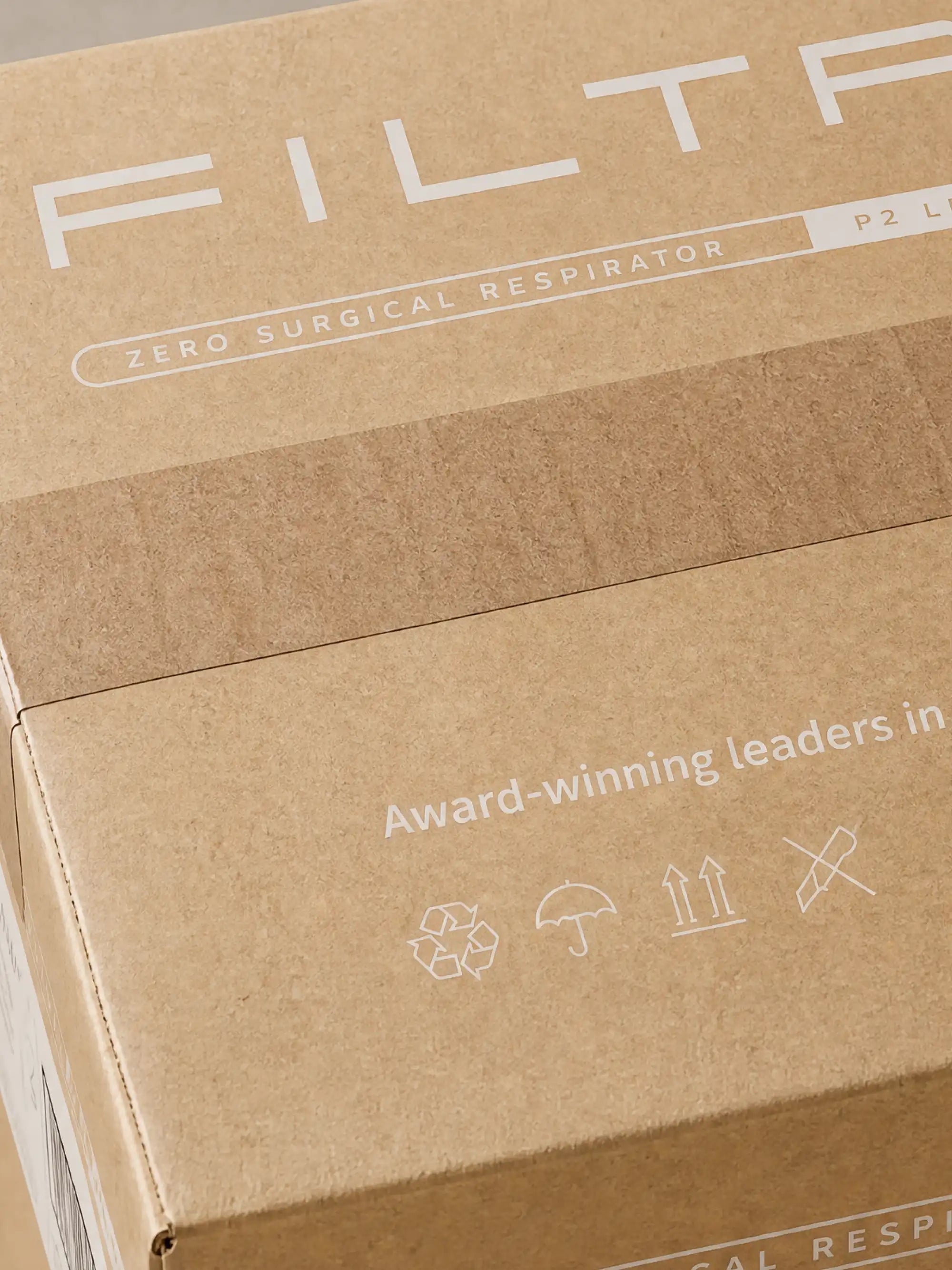
FILTRUM develops high-performance, ARTG-included PPE, using advanced non-woven materials designed to reduce long-term material persistence in existing disposal systems.
The Problem
The Scale of Disposable Mask Waste Entering Landfill
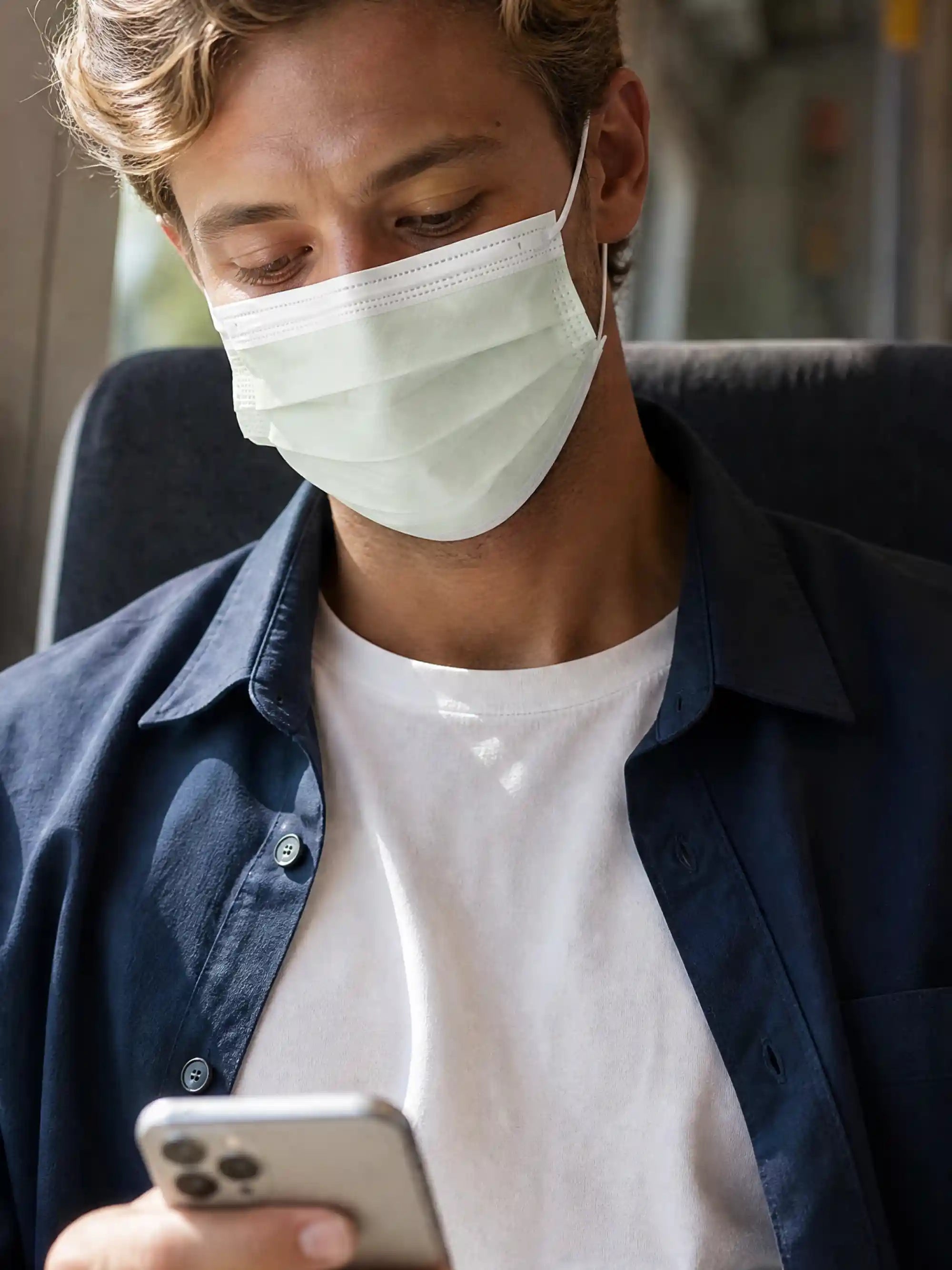
At peak pandemic demand, disposable masks became one of the world’s largest short-use material streams. Billions were used each month, generating hundreds of thousands of tonnes of mask material designed for protection first, with limited consideration for long-term persistence after disposal.
The Problem
The Scale of Disposable Mask Waste Entering Landfill
At peak pandemic demand, disposable masks became one of the world’s largest short-use material streams. Billions were used each month, generating hundreds of thousands of tonnes of mask material designed for protection first, with limited consideration for long-term persistence after disposal.

129B
Estimated face masks used globally each month during peak pandemic demand
Source: Prata et al., Environmental Science & Technology, 2020
~500K
Tonnes of estimated mask material produced per month during peak pandemic demand
Source: ACS Environmental Science & Technology
100+
Years of estimated persistence for conventional disposable mask materials
Source: ABC Australia
Disposable masks serve a necessary protective function, but their useful life is usually measured in hours. The material burden begins after use, when conventional mask materials enter waste streams and may persist for over a century, with some sources estimating breakdown timelines of up to 450 years. The challenge is not the need for PPE. The challenge is improving the material profile of disposable PPE within the waste systems that already exist.
The Solution
Introducing ZERO™ Biodegradable Non-Woven Technology
ZERO™ is designed around the reality of how disposable PPE is used and discarded. Rather than relying on idealised waste systems, the material technology is designed to support biodegradation under landfill-relevant conditions while maintaining the performance requirements expected from medical PPE.
The Solution
Introducing ZERO™ Biodegradable Non-Woven Technology
ZERO™ is designed around the reality of how disposable PPE is used and discarded. Rather than relying on idealised waste systems, the material technology is designed to support biodegradation under landfill-relevant conditions while maintaining the performance requirements expected from medical PPE.
81%
Average biodegradable material content by weight across the product range
Models range from ~70 to ~90% including packaging
79%
Biodegradation achieved by tested biodegradable material elements
In 1045 days of testing
100%
Biodegradable filter sleeves for surgical respirators
Made using plant-derived materials with a lower fossil-plastic profile
FILTRUM ZERO is the result of more than five years of development through NSW Government-backed innovation programmes, including the Small Business Innovation & Research programme and the Industry Growth Grant, alongside industry experts and HealthShare NSW. The goal was practical from the beginning: to improve the end-of-life material profile of disposable PPE while preserving the filtration performance, breathability, comfort, and compliance required in healthcare environments. The programme considered the full product system, from non-woven material selection and mask construction through to box packaging, sleeve packaging, manufacturing practicality, clinician usability, and real-world disposal. The development process combined material science, production expertise, and healthcare feedback to ensure the finished products were not only lower-persistence, but suitable for everyday medical use.
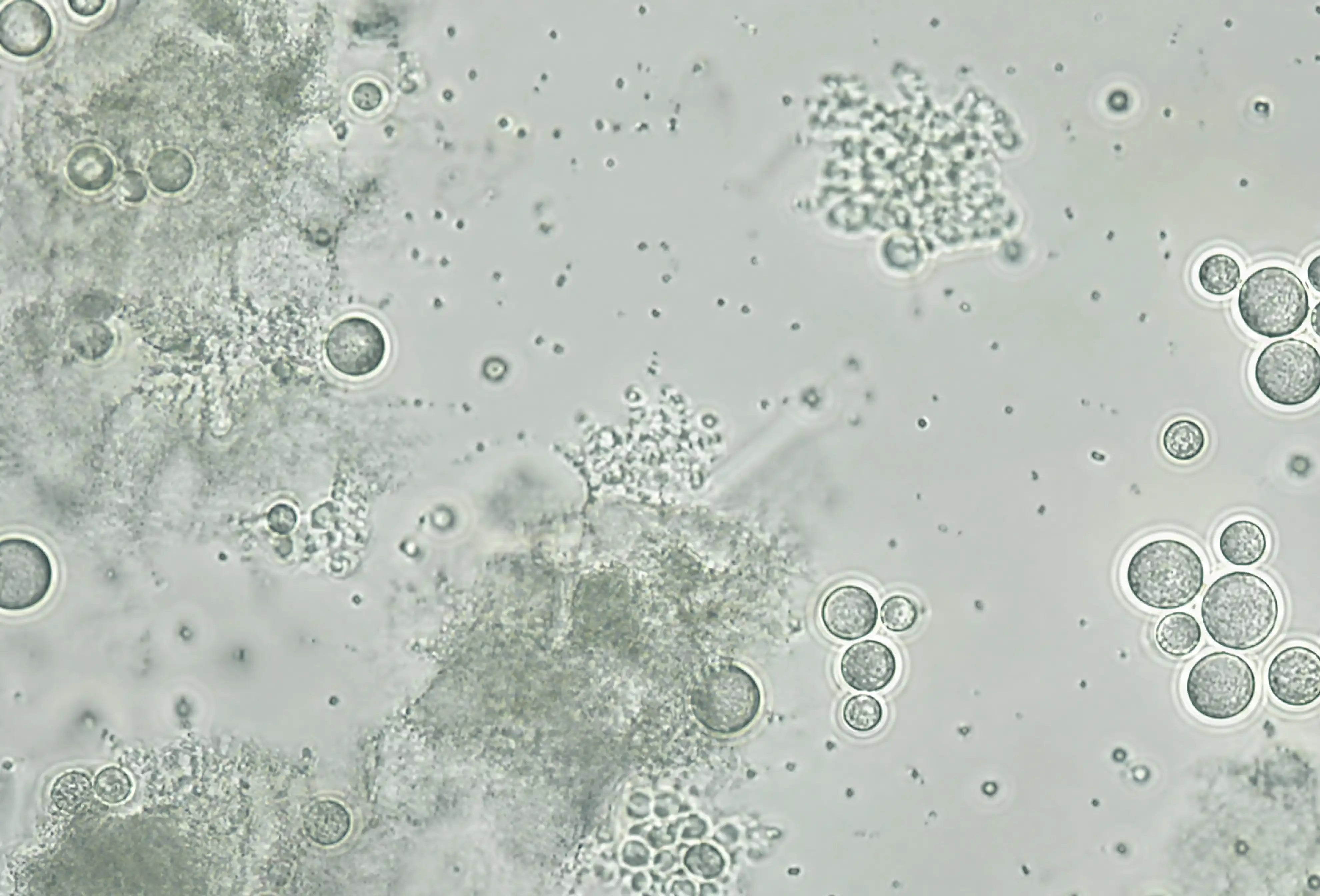
FILTRUM ZERO’s biodegradable non-woven material elements have been tested under ASTM D5511 high-solids anaerobic digestion conditions, a landfill-relevant test environment used to assess biodegradation in oxygen-limited conditions. In testing, selected biodegradable material elements achieved 79.14% biodegradation after 1045 days. Testing is ongoing, and updated biodegradation results will be published on this website as further data becomes available. The purpose of the technology is to improve the end-of-life material profile of disposable PPE while preserving the fit, breathability, comfort, and performance required for medical use. FILTRUM is continuing to research additional biodegradable material elements to further improve the end-of-life profile of disposable PPE. A portion of profits from FILTRUM ZERO is reinvested into ongoing material development, testing, and product improvements designed to increase biodegradation while maintaining medical performance.
FILTRUM ZERO’s biodegradable non-woven material elements have been tested under ASTM D5511 high-solids anaerobic digestion conditions, a landfill-relevant test environment used to assess biodegradation in oxygen-limited conditions. In testing, selected biodegradable material elements achieved 79.14% biodegradation after 1045 days. Testing is ongoing, and updated biodegradation results will be published on this website as further data becomes available. The purpose of the technology is to improve the end-of-life material profile of disposable PPE while preserving the fit, breathability, comfort, and performance required for medical use. FILTRUM is continuing to research additional biodegradable material elements to further improve the end-of-life profile of disposable PPE. A portion of profits from FILTRUM ZERO is reinvested into ongoing material development, testing, and product improvements designed to increase biodegradation while maintaining medical performance.
Testing & Verification
Biodegradation Study Results
The chart below shows the current biodegradation results for tested FILTRUM non-woven material elements under high-solids anaerobic digestion conditions. Testing was conducted by Intertek in accordance with ASTM D5511, with ongoing results to be updated as additional data becomes available.
Testing & Verification
Biodegradation Study Results
The chart below shows the current biodegradation results for tested FILTRUM non-woven material elements under high-solids anaerobic digestion conditions. Testing was conducted by Intertek in accordance with ASTM D5511, with ongoing results to be updated as additional data becomes available.
FILTRUM ZERO proprietary material technology incorporates an active ingredient designed to significantly accelerate the degradation of non-wovens via natural enzymes. Biodegradation testing applies to biodegradable non-woven material elements and does not represent every component in the assembled product, such as aluminium nose wire, staples, and other non-biodegradable components retained for performance, fit, comfort, and clinician adoption. Results may vary depending on landfill conditions, product configuration, and the specific materials tested.
Advanced Manufacturing
Built to Scale Beyond the Lab
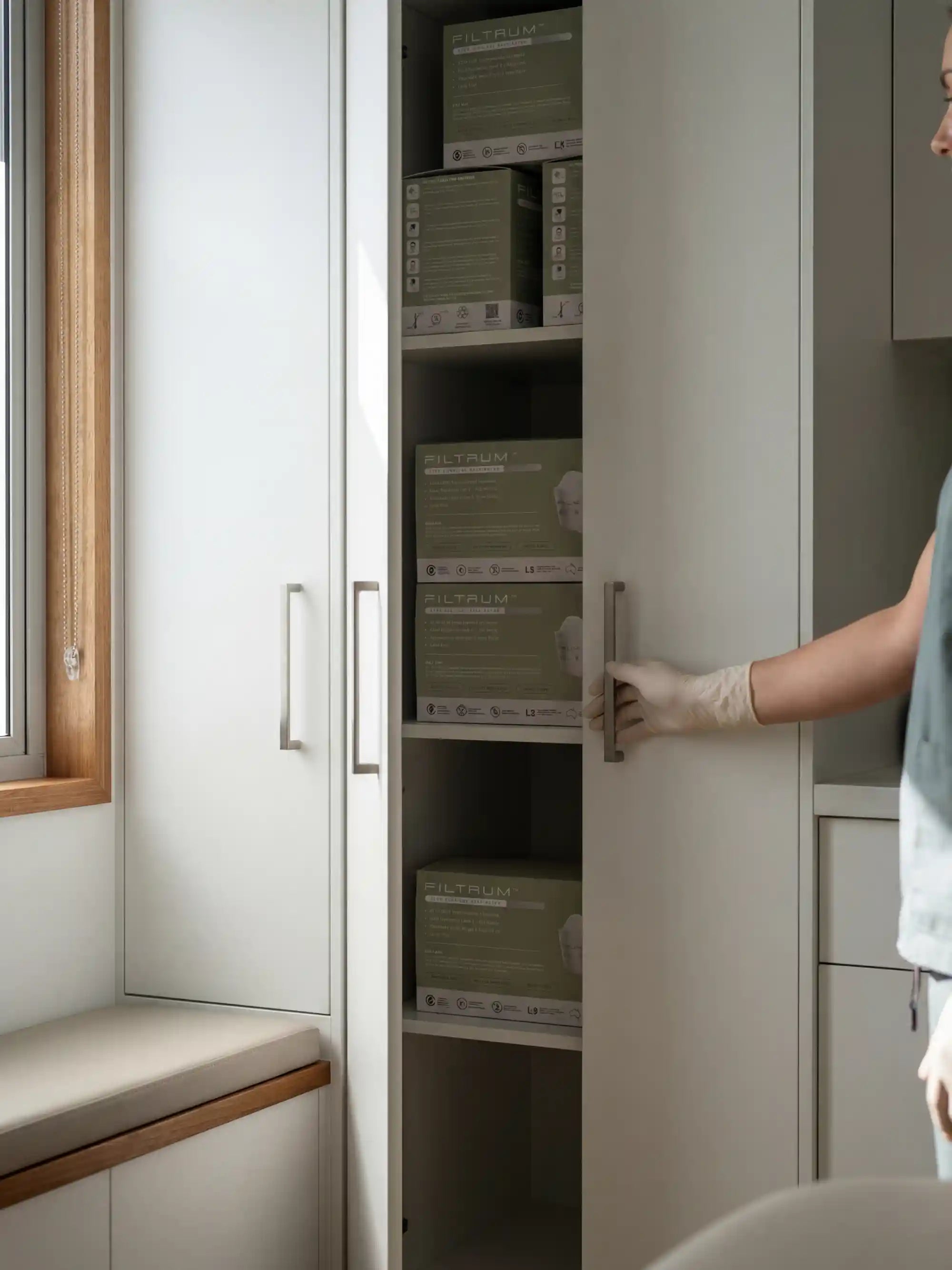
FILTRUM ZERO was developed with production reality in mind, not as a standalone material experiment. The programme considered how lower-persistence PPE could be manufactured, packed, supplied, and adopted at scale within Australian healthcare and workplace environments.
Advanced Manufacturing
Built to Scale Beyond the Lab
FILTRUM ZERO was developed with production reality in mind, not as a standalone material experiment. The programme considered how lower-persistence PPE could be manufactured, packed, supplied, and adopted at scale within Australian healthcare and workplace environments.

FILTRUM ZERO is built around continuous improvement in the sustainability profile of disposable PPE. Beyond the mask material itself, the programme considers biodegradable material elements, sleeve and box packaging, manufacturing practicality, supply efficiency, and real-world disposal pathways. FILTRUM continues to invest in material development, testing, and product improvements to reduce long-term material persistence while maintaining the performance, compliance, and quality control required for medical PPE.