




If you need to speak with us, feel free to send our team an email and we will respond shortly.
Production & Protection
What is the difference between a respirator and a surgical mask?
Both surgical masks and respirators provide filtration, but they are designed for slightly different purposes.
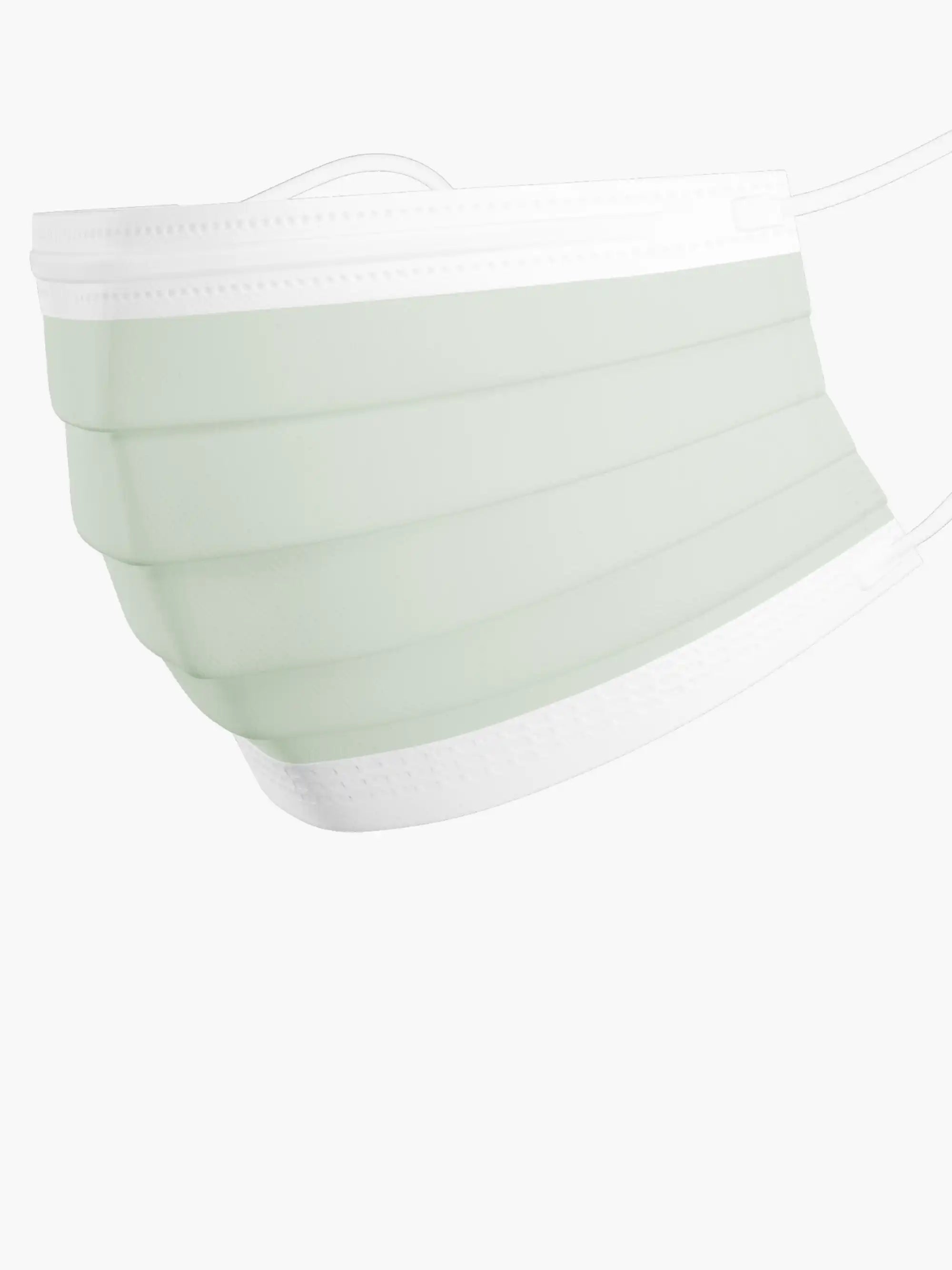
A surgical mask is typically designed to help reduce the spread of droplets and provide a barrier against splashes or fluid exposure. It can filter particles, but it does not usually create a tight seal around the face.
A respirator is designed to provide a higher level of respiratory protection by filtering airborne particles and fitting closely to the face. This close seal helps ensure that more air passes through the filter material rather than leaking around the edges.
In simple terms, surgical masks are commonly used for barrier protection and source control, while respirators are designed for situations where a closer fit and higher level of airborne particle protection is required.
How do FILTRUM P2 respirators compare to N95 respirators?
They are functionally equivalent in terms of filtration performance, but certified under different regulatory frameworks.
- P2 respirators are certified under AS/NZS 1716 and must filter at least 94% of airborne particles at 0.3 microns
- N95 respirators are certified under US NIOSH standards and must filter at least 95% of particles of the same size
FILTRUM P2 respirators exceed the minimum P2 requirement, delivering greater than 95% filtration efficiency, which places them in line with N95 performance.
Are FILTRUM respirators suitable for clinical or healthcare use?
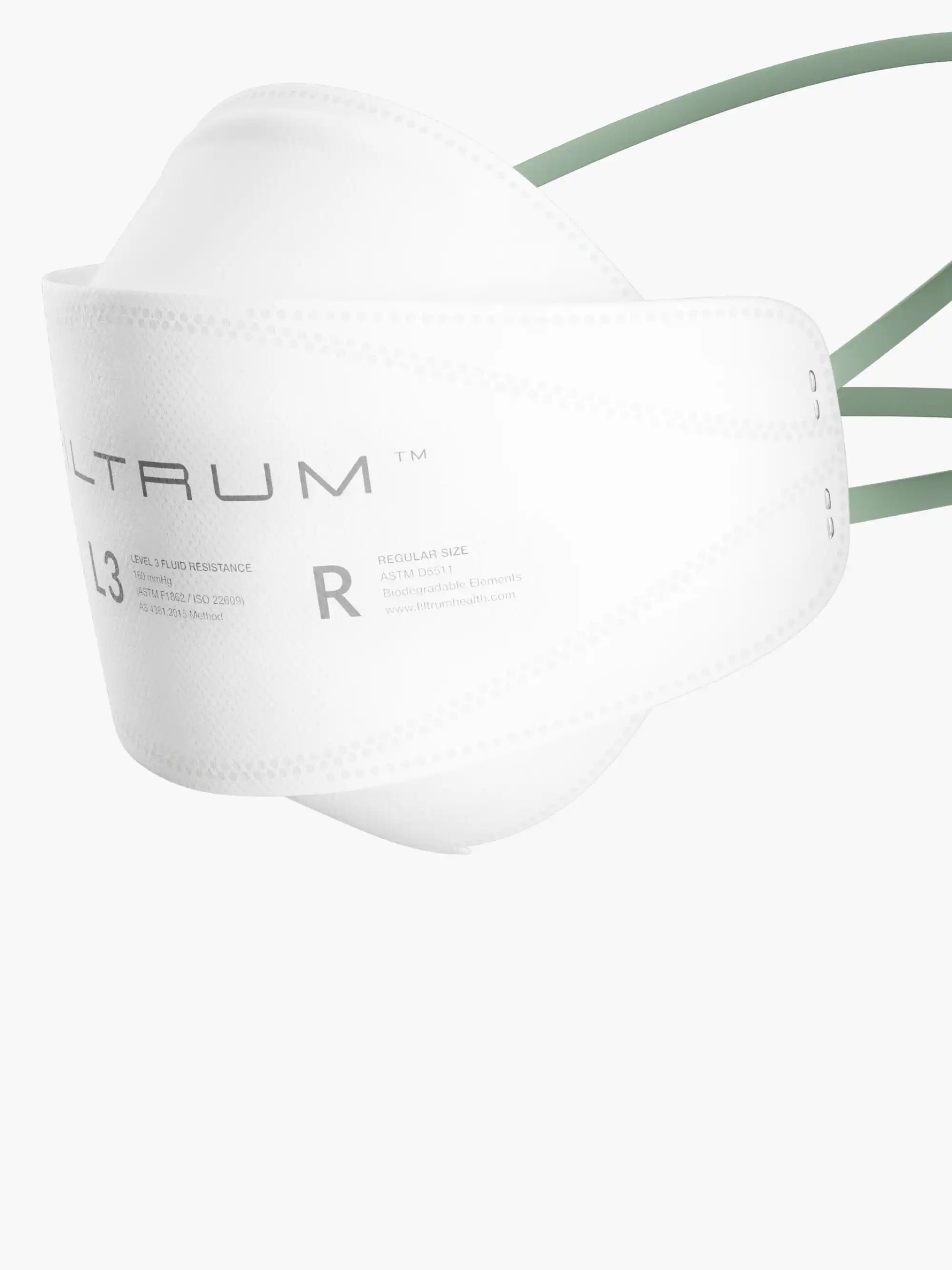
FILTRUM P2 surgical respirators and masks are designed to meet Australian respiratory protection standards and are appropriate for use in environments requiring particulate filtration in line with P2 performance criteria.
Suitability for specific clinical applications should be assessed in accordance with internal protocols and regulatory requirements.
Testing & Certification
Are FILTRUM respirators certified to Australian TGA standards?
FILTRUM P2 respirators are designed to meet AS/NZS 1716, the Australian and New Zealand standard for respiratory protective devices.
Have FILTRUM respirators been independently tested?
Yes.
All FILTRUM P2 respirators have undergone independent laboratory testing by VicLab in Victoria, Australia.
Fit & Performance
Why is fit critical for respirators?
Respirators only perform as intended when a tight seal is achieved. Any gap between the respirator and the face allows unfiltered air to bypass the filter, significantly reducing protection.
Does facial hair affect respirator performance?
Yes. Facial hair can interfere with the seal between the respirator and the face.
Beards, stubble, or facial hair that sits under the sealing area can create gaps and reduce protection. For best performance, the respirator should seal directly against clean-shaven skin where it contacts the face.
Materials & Environmental Impact
Comfort and sustainability, without compromising protection
What differentiates FILTRUM from standard PPE?
FILTRUM incorporates ZERO filter technology, designed to address the environmental impact of disposable PPE.
Conventional single-use masks are commonly made with polypropylene-based non-woven materials, a durable plastic that can persist long after disposal and add to the growing burden of persistent PPE waste.
FILTRUM products are designed to rapidly break down into non-toxic byproducts, significantly reducing long-term material persistence in the environment.
How is biodegradability validated?
FILTRUM has conducted extensive third-party biodegradation testing of all mask and respirator products under ASTM D5511 conditions, simulating Australian and international anaerobic landfill environments. All masks & respirators are compatible with current hospital general waste streams and offer a sustainable alternative to traditional PPE.
To find out more about our testing, please visit our Sustainability page.
How should FILTRUM products be disposed of?
Once a FILTRUM mask or respirator has been used, it can be disposed of in a standard general waste stream, consistent with typical PPE protocols. What differentiates FILTRUM is what happens after that point.
Where possible, any paper-based packaging can be separated and placed into standard recycling streams.